RMN is Reader Supported
Our Goal for
Checks & Money Orders:
Raye Allan Smith
Dewitt Jones' Video
DEC 8 - JAN 5:
$1,450
Click Widget
or Click Here to contribute.
P.O. Box 95
Ashtabula, OH 44005
Users Online:
53


"Celebrate What's Right
With The World"
"When the
Starships Fly!"
The
Theme for The Obergon Chronicles
The Obergon Chronicles ebook
RUMOR MILL
NEWS RADIO
CGI ROOM
Common Ground
Independent Media
WHAT ARE
THE FACTIONS?
THE AMAZING
RAYELAN ALLAN
BIORHYTHMS
LOTTO PICKS
OTHER WAYS TO DONATE

RUMOR MILL NEWS AGENTS WHO'VE BEEN INTERVIEWED ON RUMOR MILL NEWS RADIO
______________
NOVEMBER 2008
______________
______________
______________
______________
Disclosure Hr1
Disclosure Hr2
______________
Scribe
______________
in_PHI_nitti
______________
Jasmine Hr1
Jasmine Hr2
______________
Tom Chittum Hr1
Tom Chittum Hr2
______________
Kevin Courtois
______________
Dr Syberlux
______________
Gary Larrabee Hr1
Gary Larrabee Hr2
______________
Kevin Courtois
______________
Pravdaseeker Hr1
Pravdaseeker Hr2
______________
DECEMBER 2008
Tom Chittum
______________
Crystal River
______________
Stewart Swerdlow Hr1
Stewart Swerdlow Hr2
______________
Janet Swerdlow Hr1
Janet Swerdlow Hr2
______________
Dr. Robin Falkov Hr1
Dr. Robin Falkov Hr2
Dr. Robin Falkov Hr3
JANUARY 2009 ______________
Patriotlad
______________
Patriotlad
______________
Crystal River
______________
Patriotlad
______________
Dr. Robin Falcov
______________
Patriotlad
FEBRUARY 2009

Alternative Health, Armageddon, Conspiracies, Prophecies, Spirituality,
Home Schooling, Home Mortgages and more, in:
The Rumor Mill News Reading Room

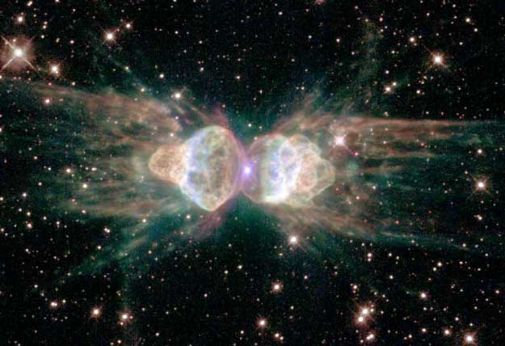
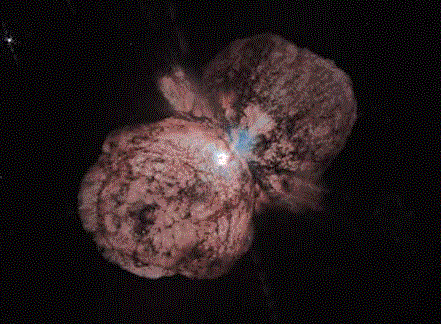
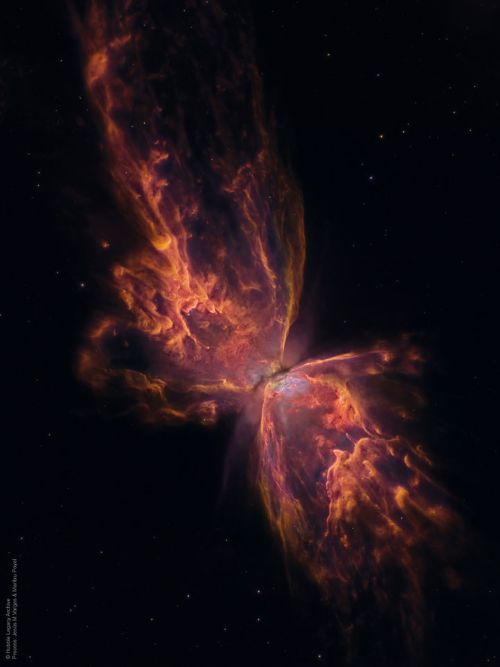
CGI's ScienceTruth: Electricity in Space! The Chakram Series
Posted By: RumorMail
Date: Saturday, 13-Jun-2026 16:15:52
www.rumormill.news/269415
|

If you enjoyed this article,
Please consider a monthly subscription to Rumor Mill News!!


Articles In This Thread
RumorMail -- Saturday, 13-Jun-2026 16:15:52
RumorMail -- Saturday, 13-Jun-2026 16:25:46
comes from ads.
If you're using an ad blocker, please consider putting RMN in
your ad blocker's whitelist.


Serving Truth and Freedom
Worldwide since 1996
Politically Incorrect News
Stranger than Fiction
Usually True!

or Click Here to contribute.